
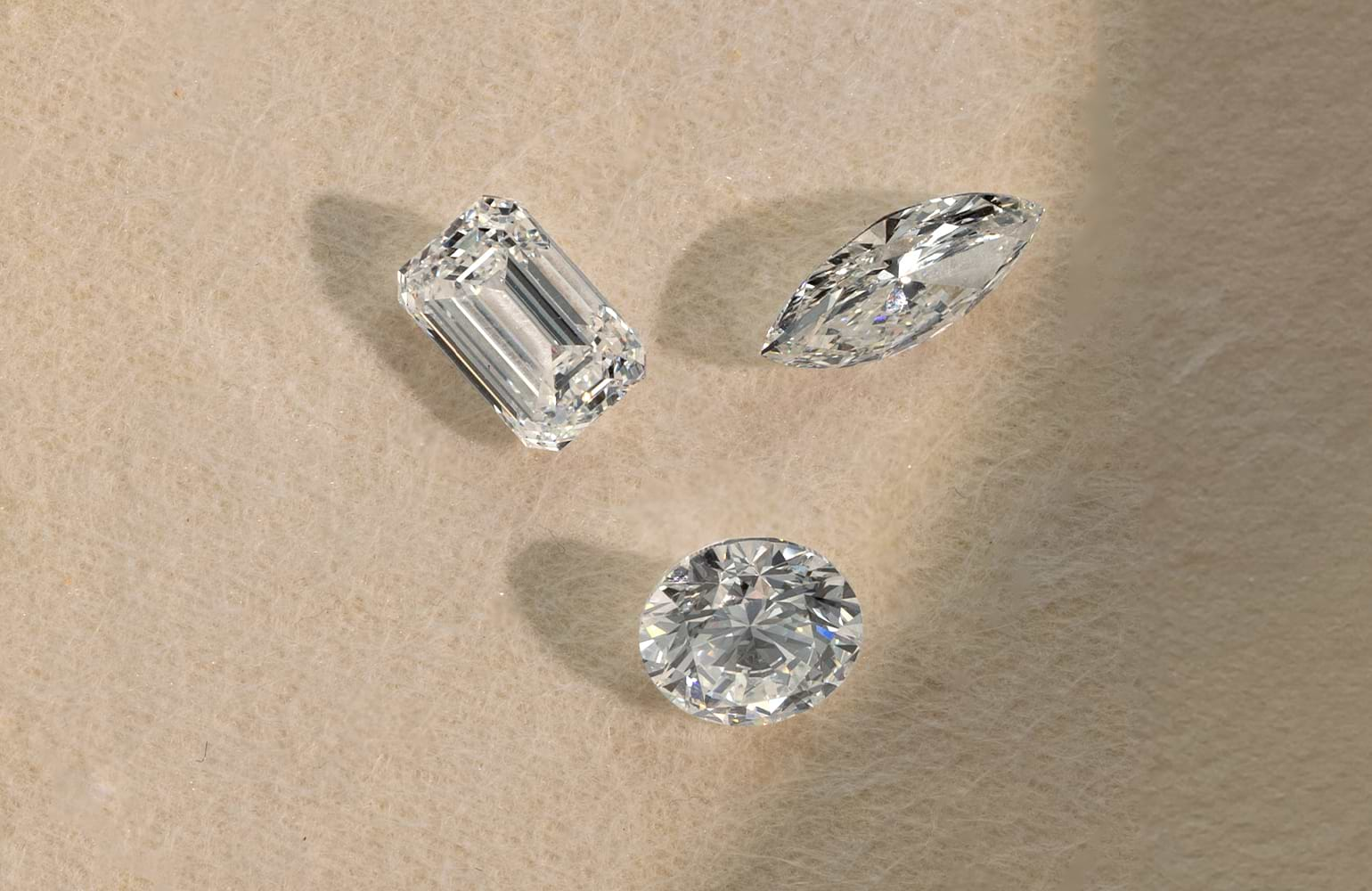
When choosing a diamond, whether natural or lab-grown, one of the most essential frameworks to understand is the diamond 4Cs. This system—comprising Cut, Color, Clarity, and Carat weight—was developed by the Gemological Institute of America (GIA) to provide a universal standard for assessing a diamond’s quality. Today, the diamond 4Cs apply equally to natural and man made diamonds, offering a reliable guide for consumers seeking beauty, value, and transparency.
As man made diamonds grow in popularity, understanding how they are evaluated through the lens of the diamond 4Cs becomes increasingly important. These lab-grown alternatives are chemically and visually identical to mined stones, and they undergo the same grading processes. Let’s explore how each of the 4Cs plays a role in selecting the perfect diamond, especially when considering the ethical and sustainable advantages of man made diamonds.
Cut: The Sparkle Factor
The first and arguably most important of the diamond 4Cs is Cut. This refers not to the shape of the diamond—such as round, oval, or princess—but to how well it has been faceted and polished. A well-cut diamond reflects light beautifully, resulting in exceptional brilliance and fire. Even a diamond with excellent color and clarity can appear dull if the cut is poor.
When it comes to man made diamonds, the same precision in cutting is crucial. Lab-grown diamonds can be cut with even greater consistency, thanks to advanced technology and modern craftsmanship. Buyers interested in maximizing sparkle should prioritize the Cut grade, which ranges from Poor to Excellent or Ideal, regardless of whether the diamond is lab-created or mined.
Color: From Icy White to Warm Hues
The second element of the diamond 4Cs is Color, which measures the lack of color in white diamonds. The GIA scale ranges from D (completely colorless) to Z (light yellow or brown). Most consumers prefer diamonds in the colorless or near-colorless range (D–J) for their icy, clean appearance.
Man made diamonds offer an advantage here, as they are often produced with minimal inclusions and excellent color ratings. Lab-grown diamonds can be engineered to meet high color standards, making them a smart option for those seeking top-quality stones. Additionally, man made diamonds are available in fancy colors, including pink, blue, and yellow, for those who want a more unique look.
Clarity: Flawless to Included
Clarity, the third aspect of the diamond 4Cs, refers to the presence of internal or external imperfections known as inclusions and blemishes. The fewer the imperfections, the higher the clarity grade. The clarity scale ranges from Flawless (no visible inclusions under 10x magnification) to Included (imperfections that may be visible to the naked eye).
One of the notable benefits of man made diamonds is their clarity. Since they are grown under controlled conditions, they often exhibit fewer inclusions than mined diamonds. While a Flawless grade is rare and expensive in any diamond, many lab-created diamonds achieve high clarity ratings without the steep price tag. This makes them an appealing choice for buyers seeking a visually perfect stone.
Carat Weight: Size and Presence
The final category in the diamond 4Cs is Carat weight, which measures a diamond’s mass. One carat equals 200 milligrams, and as carat weight increases, so does the price—often exponentially. Larger diamonds are rarer and therefore more valuable, though carat is only one factor in a diamond’s overall beauty.
Thanks to their affordability, man made diamonds allow buyers to choose larger carat weights without the significant cost premium associated with natural stones. This means that couples can often purchase a larger diamond for their engagement ring or custom piece without exceeding their budget. For many, this combination of value and visual impact makes man made diamonds especially appealing.
Why the 4Cs Matter When Buying Man Made Diamonds
Applying the diamond 4Cs to your search for the perfect stone ensures you’re making a well-informed decision. Whether you’re considering a traditional mined diamond or exploring the advantages of man made diamonds, these four key factors determine the stone’s beauty, quality, and price. Understanding how Cut, Color, Clarity, and Carat interact allows you to choose a diamond that aligns with both your aesthetic preferences and budget.
As the market for man made diamonds continues to grow, it’s reassuring to know that these lab-created gems are evaluated with the same rigorous standards as natural diamonds. This level playing field allows consumers to make comparisons confidently and to choose lab-grown diamonds that meet or exceed traditional expectations.
A New Era of Diamond Shopping
The diamond 4Cs remain the cornerstone of diamond grading and purchasing, regardless of a diamond’s origin. With the rise of man made diamonds, consumers now have more options than ever before. These lab-grown gems offer the same beauty and brilliance as their natural counterparts, often with superior clarity and color, at a fraction of the cost and environmental impact.
For those seeking value, ethics, and elegance, man made diamonds graded by the 4Cs represent the future of fine jewelry. Whether you’re selecting an engagement ring or a timeless gift, understanding the 4Cs ensures that your choice will shine for a lifetime.